 ZYC FILTER



0
INQUIRY



How to Choose and Replace Your Car’s Fuel Filter: A Step-by-Step Guide
Time: 2025-06-05 14:15:22
Click:
The fuel filter is a vital component in your car’s fuel system, effectively removing impurities from gasoline to ensure optimal engine performance and fuel efficiency. Regular replacement of the fuel filter is essential for maintaining your vehicle’s health. Here’s a comprehensive guide on how to choose and replace your car’s fuel filter.
The fuel filter is a vital component in your car’s fuel system, effectively removing impurities from gasoline to ensure optimal engine performance and fuel efficiency. Regular replacement of the fuel filter is essential for maintaining your vehicle’s health. Here’s a comprehensive guide on how to choose and replace your car’s fuel filter.
Choosing the Right Fuel Filter
Compatibility: Ensure the filter is specifically designed for your vehicle’s make and model. OEM (Original Equipment Manufacturer) filters are always a reliable choice.
Filtration Efficiency: High-quality fuel filters can effectively remove tiny particles, reducing the risk of clogging fuel injectors.
Steps to Replace the Fuel Filter
Tools Needed: Wrench, screwdriver, new fuel filter, fuel absorber (for absorbing fuel).
Disconnect Power: Before starting, ensure the vehicle is off and the key is removed. Disconnect the fuel pump’s power supply.
Locate the Fuel Filter: The fuel filter is usually located under the vehicle, near the fuel tank, or in the engine compartment. Refer to your vehicle’s manual for the exact location.
Relieve Fuel Pressure: Before removing the filter, relieve the fuel system pressure. This can be done by removing the fuel pump fuse and starting the engine until it stalls.
Remove the Old Filter: Use a wrench to loosen the fuel lines connected to the filter. Carefully remove the old filter, as fuel may leak out. A fuel absorber can help minimize spills.
Install the New Filter: Place the new filter in the same position, ensuring the fuel lines are correctly connected and sealed. Pay attention to the arrow on the filter, which indicates the direction of fuel flow.
Restore Fuel Pressure: Reinstall the fuel pump fuse, start the vehicle, and check for any fuel leaks.
Maintenance Tips
Regular Inspection: Check the fuel filter every 15,000 to 20,000 miles and replace it if it appears dirty or clogged.
Fuel Quality: Using high-quality fuel can reduce impurities in the fuel system, extending the life of the filter.
Prevent Fuel Leaks: When replacing the filter, ensure all connections are properly sealed to avoid fuel leaks.
Professional Advice
If you’re not comfortable with DIY maintenance, it’s always a good idea to consult a professional mechanic. Proper installation ensures the fuel filter works effectively, preventing fuel supply issues and protecting the engine from contaminants.
Conclusion
Though small, the fuel filter plays a crucial role in engine health. Regularly replacing it with a high-quality product can significantly extend engine life and improve overall vehicle performance. For more information or assistance, contact a professional supplier or mechanic.

点击右上角
分享给朋友吧







 Long by picture save/share
0
PREV
NEXT
More Information
-
ZYC Filters Showcase...
ZYC Filters Showcases Innovations at NDT Auto Parts ExpoWe are excited to announ

-
How to Choose and Re...
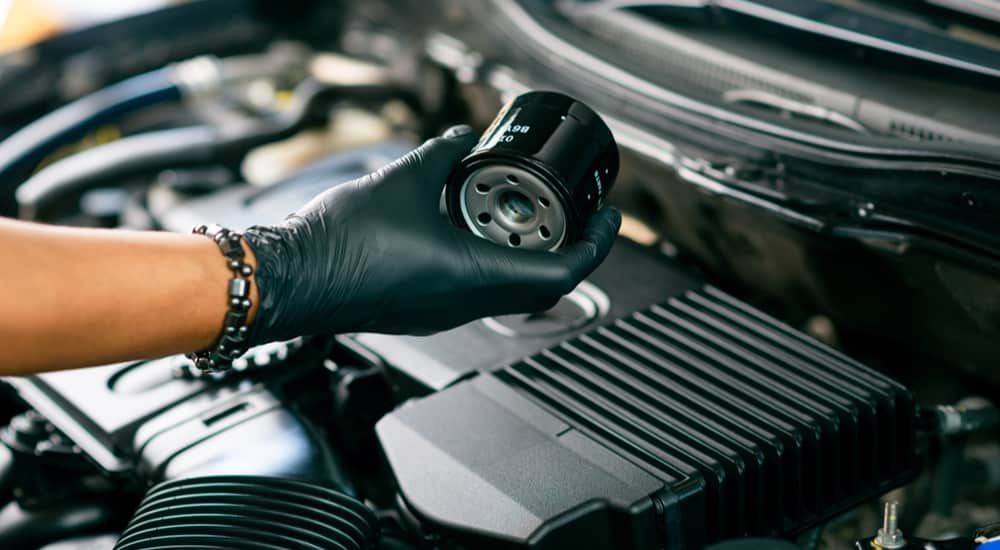
The fuel filter is a vital component in your car’s fuel system, effectively removing impurities from gasoline to ensure optimal engine performance and fuel efficiency. Regular replacement of the fuel filter is essential for maintaining your vehicle’s health. Here’s a comprehensive guide on how to choose and replace your car’s fuel filter.
-
How to Choose and Re...
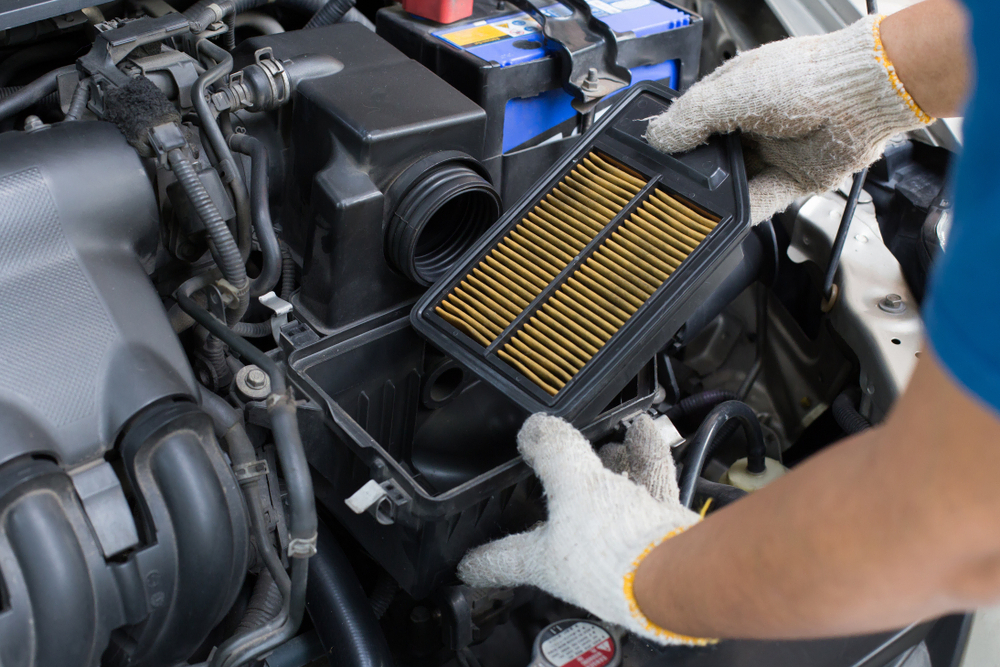
Your car’s air filter is a crucial component that protects your engine by filtering out dust and impurities. Regular replacement of the air filter is essential for maintaining optimal engine performance and longevity. Here’s a step-by-step guide on how to choose and replace your car’s air filter.

PREV
NEXT
 aimee@ndtfilter.com
 Wangshigong Auto Parts Industrial Park, Wei County, Xingtai City, Hebei Province, China
 +86 15030915749
Flollow


点击右上角
分享给朋友吧
PREV
NEXT
PREV
NEXT

Copyright © 1999-2025 Hebei Ndt Auto Parts Manufacture Co., Ltd.. All Rights Reserved.
点击右上角
分享给朋友吧


CORKMART
Copyright © 2005-2015 MySite Ltd. All Rights Reserved.
